Kurama, Japan
Kurama and Kibune: choose a train outing or a mountain crossing
The railway connects the area, but the path between the temple and shrine is a mountain walk. Decide which version of the day suits your group.
For Independent travelers planning an outing around Kyoto
The short answer
Treat the Kurama-to-Kibune mountain crossing as an optional hike, not the necessary transfer between two railway stops. Eizan Railway serves Kurama and Kibuneguchi on its Kurama branch; Kyoto tourism describes the connecting mountain route as a trail through wooded, root-covered terrain, and Keihan’s visitor guide puts the walk between Kurama-dera and Kibune at about two hours. You can plan a more limited visit without committing to that crossing, but each temple or shrine approach still needs checking.
Take the correct Eizan branch
Eizan Railway has one branch toward Yase-Hieizanguchi and another toward Kibuneguchi and Kurama. Check the destination shown before boarding from Demachiyanagi. A scenic train photograph or a generic northern-Kyoto itinerary does not identify the right departure.
The operator states that the Japan Rail Pass is not valid on Eizan Railway. Compare current fares or passes against the journeys you will actually take, including any connecting railway or bus. Do not buy a regional pass solely because its name sounds relevant to Kyoto.
Decide on the mountain before leaving the valley
The trail joins religious sites across the mountain, with roots and uneven ground described in Kyoto’s area guide. Keihan’s visitor information presents it as a substantial walk rather than a brief station connection. Allow additional time for the temple approaches and stops instead of treating a quoted walking duration as the whole outing.
Check current route notices, weather and local advice before attempting the crossing. A cable-car option elsewhere on a visit would not establish that the entire mountain path is easy or step-free. If someone in the group cannot manage the terrain, choose a different route before becoming committed to the climb.
A railway stop is not the shrine entrance
Kibuneguchi is the railway gateway to the Kibune area; do not confuse the station name with arrival at Kifune Shrine. Keihan lists the shrine about 30 minutes on foot from Kibuneguchi Station, or 5 minutes from the Kibune bus stop. Confirm the last leg using current local transport and walking information. If a bus connection is part of your plan, check its operating day and return stop.
For a shorter outing, choose one principal site and arrange a return from the same side. This avoids making the mountain crossing a requirement just because a restaurant or pickup has been booked beyond it. It also makes a change of weather easier to handle.
Protect daylight and the return journey
Work backwards from a realistic return train and the time you need to reach it. Keep food stops and photographs inside that window. A mountain walk should not be extended merely because the train timetable continues later into the evening.
If booking a meal in Kibune, confirm its location, service time and cancellation terms separately. Seasonal riverside dining is not an automatic part of a train ticket or temple visit. A day focused on the railway and one site can be complete on its own, with the crossing saved for conditions and a group that suit it.
Plan the climb inside Kurama-dera
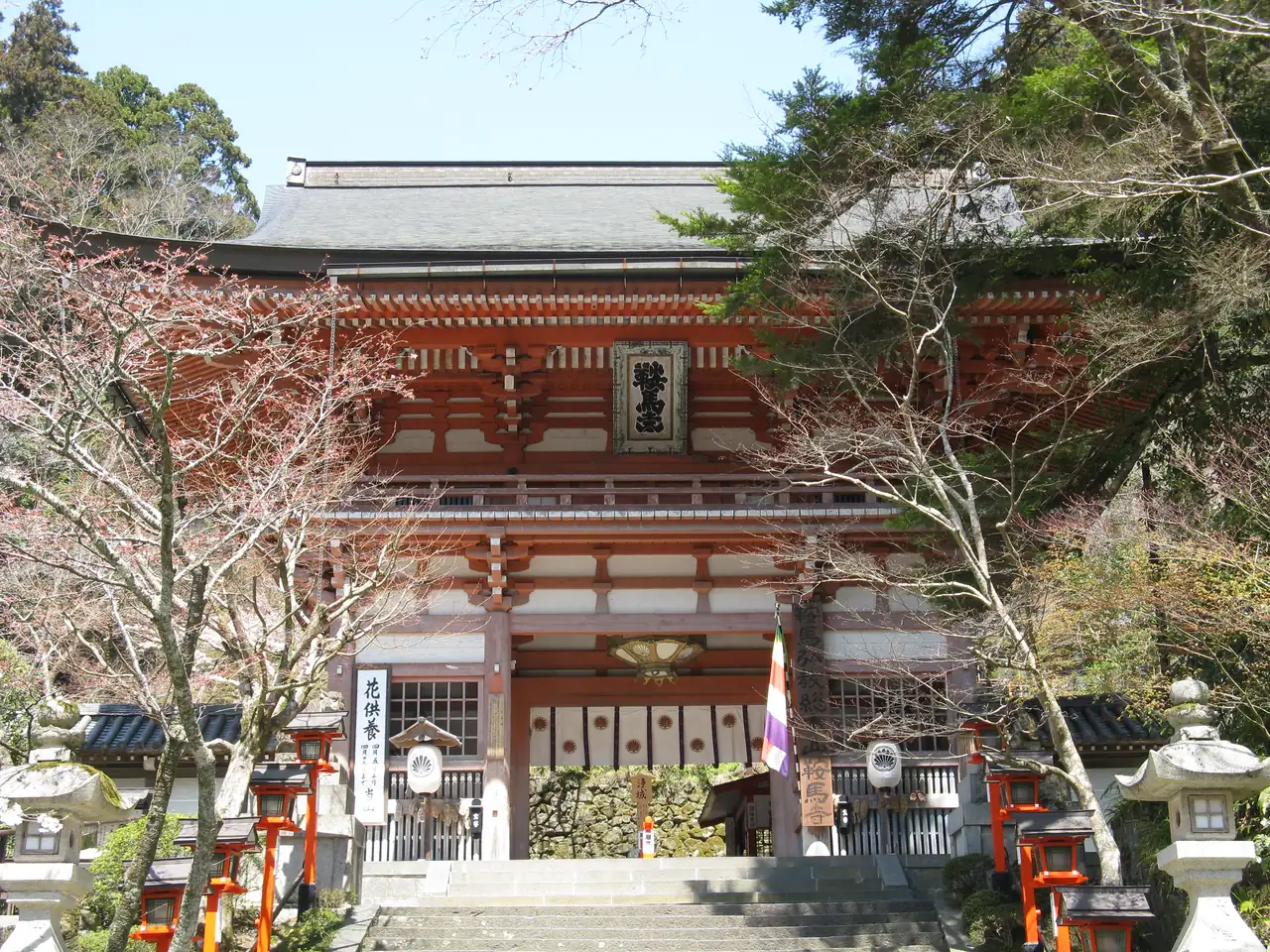
Keihan’s guide puts the Nio Gate of Kurama-dera just north of Kurama Station, then about 30 minutes on foot to the Main Hall, or about 10 minutes from the temple cable car’s Tahoto station. The cable car shortens one part of the climb; it does not remove the walking within the temple grounds.
Kurama-dera requires its own entry. The tree-root path that leads from the Main Hall towards the Inner Sanctum is the start of the mountain route to Kibune, so decide before passing the Main Hall whether you are continuing over the mountain or returning to Kurama Station.
Verify before you travel
- Eizan branch, fare or pass validity and service notices.
- Current mountain-path opening and weather.
- Exact approach from Kibuneguchi to the chosen site.
- Return transport and any separately reserved meal.
Continue planning
Search the parts of your Kurama, Japan trip
Sources checked
Schedules, fares, access, and operating conditions can change. These links are provided so you can verify the current information directly.
Keep planning
More around Kyoto
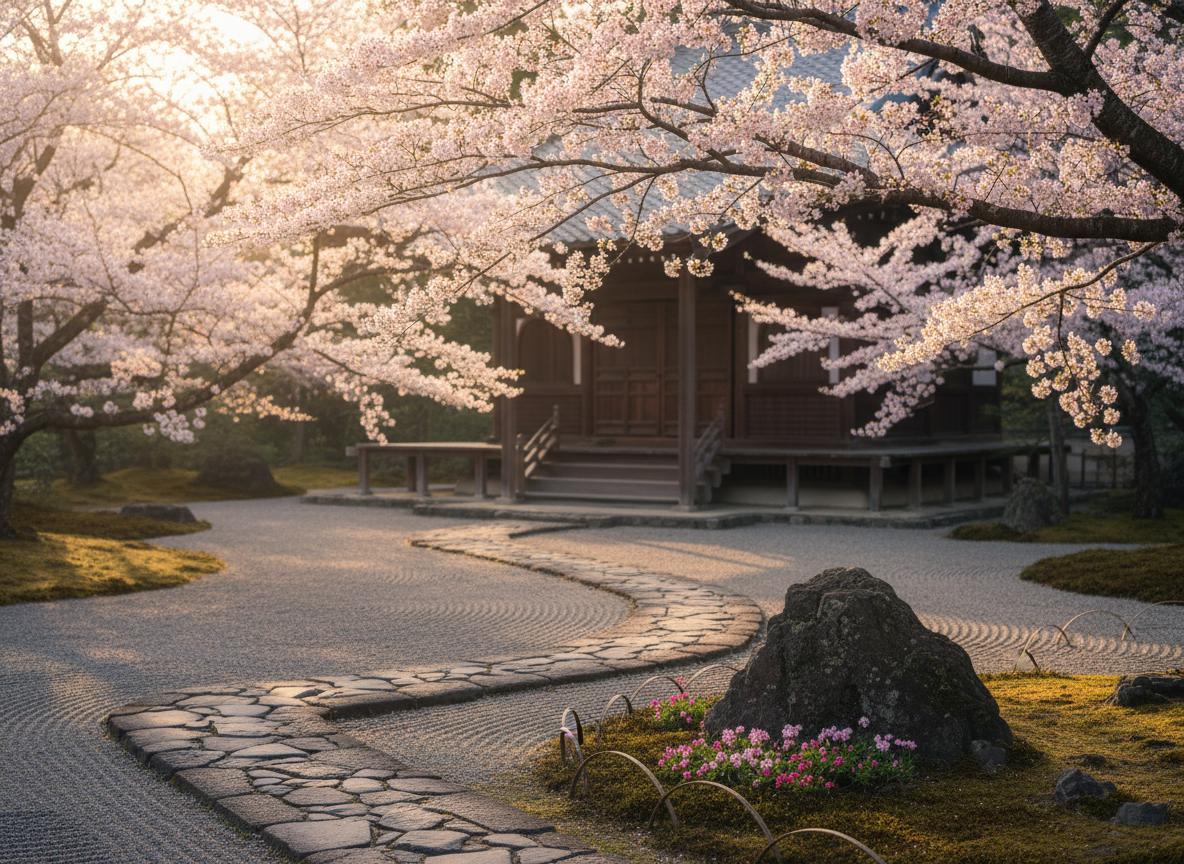
How to visit Kyoto temples without relying on crowded buses
A rail-first way to group Kyoto temple days, use buses only for the final connection, and check congestion before leaving.
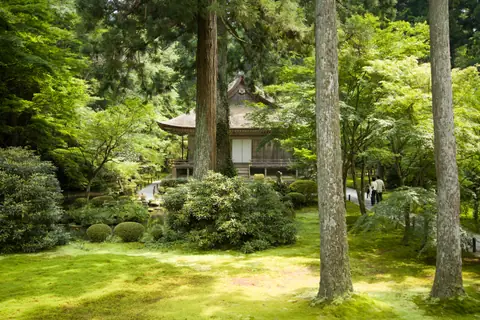
Ohara and Sanzen-in by bus: make one temple the centre of the day
Choose between the direct Kyoto Station bus and a subway connection, then leave room for the approach and a realistic return.
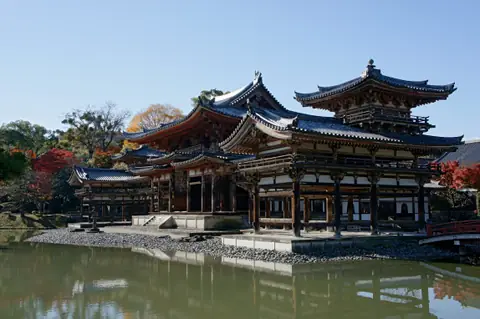
Byōdō-in in Uji: garden admission does not reserve Phoenix Hall’s interior
Interior visits use limited same-day, set-time places sold in the garden for cash. Plan the rest of Uji around the slot you can get.
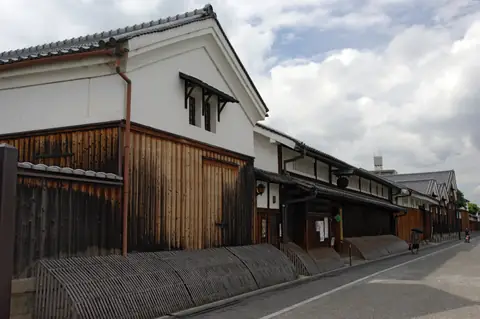
Gekkeikan’s sake museum in Fushimi: choose the brewery-district station
Chūshojima and Fushimi-Momoyama are useful station names for this visit. Plan admission and tasting separately from the shrine district.
Published November 7, 2026 · reviewed November 6, 2026 · Traworler editorial; AI-assisted research, not a firsthand trip report. Editorial planning guidance, not a guarantee of access, price, or service.