Ohara, Japan
Ohara and Sanzen-in by bus: make one temple the centre of the day
Choose between the direct Kyoto Station bus and a subway connection, then leave room for the approach and a realistic return.
For Independent travelers planning an outing around Kyoto
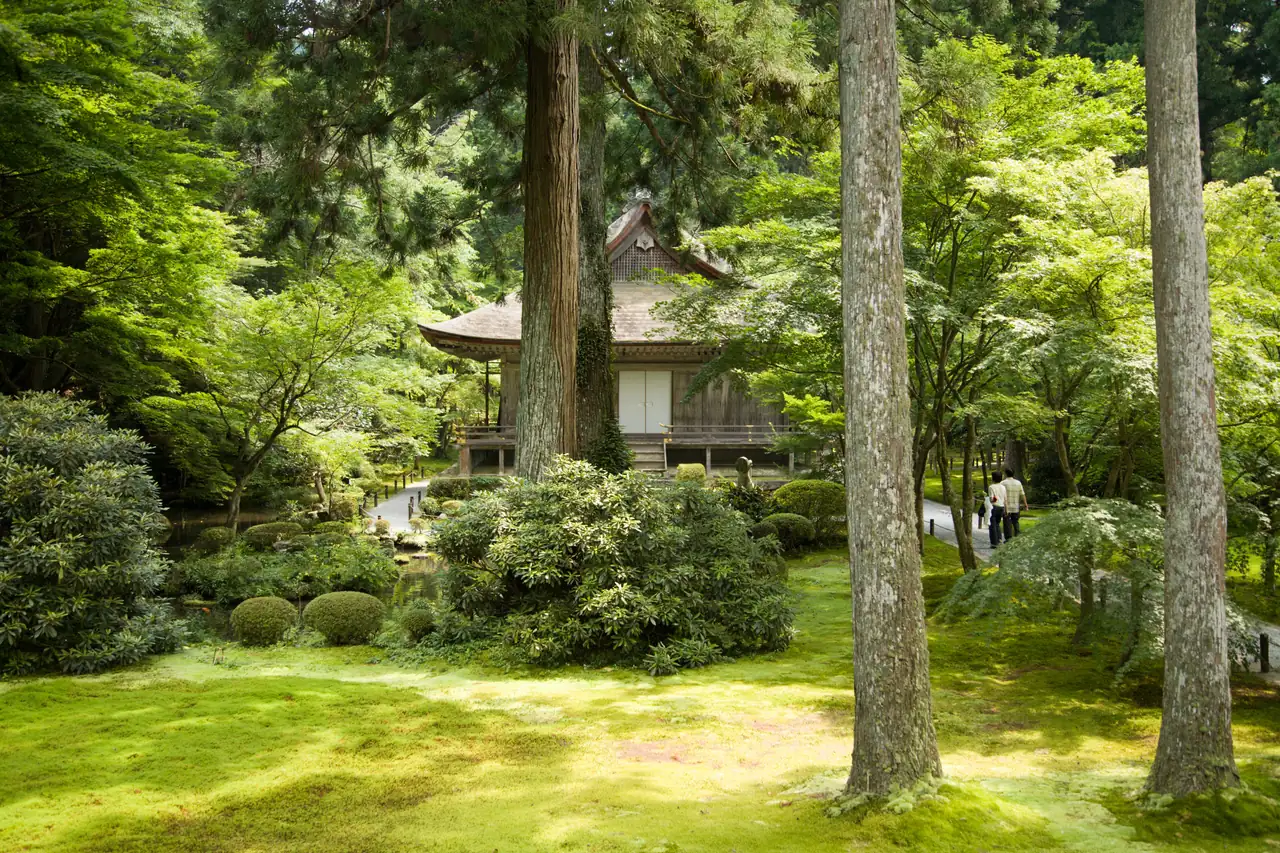
The short answer
Build an Ohara outing around Sanzen-in and the return bus before adding another temple. Sanzen-in’s own access page lists the direct route 17 from Kyoto Station and an alternative via the subway to Kokusaikaikan, followed by a bus toward Ohara. It gives about an hour for route 17 or about 23 minutes for the Kyoto Bus leg from Kokusaikaikan, then a roughly ten-minute uphill walk from the Ohara stop. Those are separate journey stages, not a door-to-door arrival estimate.
Choose the starting route from your accommodation
A direct bus can be convenient if you are already near Kyoto Station. A subway connection may fit better if you begin elsewhere on the line or want to reduce the long city-bus segment. Compare the complete journey from your hotel rather than choosing solely by the number of transfers.
The temple gives approximate journey times as guidance, but traffic and waiting can change the total. Confirm the current bus destination and departure point on the operator’s information. A bus heading into northern Kyoto is not automatically an Ohara service.
Keep the walk from the bus stop visible
Arrival at Ohara is the start of the final approach to Sanzen-in. The temple’s approximately ten-minute uphill walking reference should be adjusted for your group, stops and current conditions. Save the temple name and approach on a map before leaving the bus.
If the route’s surfaces, gradients or steps could affect your visit, ask about the exact access before committing. A short walk on a tourism page does not establish a step-free route. The same applies inside the temple: garden photographs do not show every threshold or change of level.
Give Sanzen-in time before expanding the route
Kyoto’s official tourism page highlights the temple’s gardens and wooded setting. Let that determine the pace: arrive, visit the parts open that day and leave room to sit or pause where permitted. A longer list of temples is not necessarily a better use of a journey out of the city.
If you want to add Jakko-in or another stop, map that leg separately and check its own opening information. Do not assume that two places described as “Ohara” are beside the same bus stop. Reserve the extra visit for a day when the return still has a comfortable margin.
Choose the return before the final shop stop
Read the return timetable on arrival and choose a service that fits the rest of your evening. Save an alternative departure where available. Allow time to leave the temple, collect belongings and reach the correct stop; the temple’s closing time is not a bus departure time.
During busy seasons, plan flexibility around boarding and traffic rather than promising a precise dinner arrival in central Kyoto. If the day is running late, shorten the optional stop. Keep the core outing intact: the temple you came to see, a manageable approach and a clear journey back.
Treat a second temple as a separate walk
Keihan’s visitor guide places Sanzen-in about 10 minutes east of the Ohara bus stop, but Jakko-in about 15 minutes northwest, in the other direction. Both are reached from buses that start at Demachiyanagi or at Eizan Railway’s Yase-Hieizanguchi station. Visiting both means walking back through the stop area, so give that leg its own time.
Sanzen-in has no parking of its own, and the temple notes that paid car parks nearby serve visitors. It also asks visitors to respect the residents of Ohara by not blocking roads, entering private property or speaking loudly. If you arrive by taxi or private car, agree the pick-up point in advance instead of waiting on a narrow village lane.
Verify before you travel
- Current bus routes and the most useful departure point.
- Sanzen-in seasonal hours and last entry.
- Approach and interior requirements for your group.
- Return service and any separately planned second temple.
Continue planning
Search the parts of your Ohara, Japan trip
Sources checked
Schedules, fares, access, and operating conditions can change. These links are provided so you can verify the current information directly.
Keep planning
More around Kyoto
How to visit Kyoto temples without relying on crowded buses
A rail-first way to group Kyoto temple days, use buses only for the final connection, and check congestion before leaving.
Kurama and Kibune: choose a train outing or a mountain crossing
The railway connects the area, but the path between the temple and shrine is a mountain walk. Decide which version of the day suits your group.
Byōdō-in in Uji: garden admission does not reserve Phoenix Hall’s interior
Interior visits use limited same-day, set-time places sold in the garden for cash. Plan the rest of Uji around the slot you can get.
Gekkeikan’s sake museum in Fushimi: choose the brewery-district station
Chūshojima and Fushimi-Momoyama are useful station names for this visit. Plan admission and tasting separately from the shrine district.
Published November 7, 2026 · reviewed November 6, 2026 · Traworler editorial; AI-assisted research, not a firsthand trip report. Editorial planning guidance, not a guarantee of access, price, or service.